Columbia drivers see a bit of everything. Interstate speeds on I‑26 and I‑20, tree-lined neighborhood streets where branches shed debris after a summer storm, gravel from construction zones flicked up by truck tires. That mix makes auto glass problems feel inevitable rather than rare. The part that determines how disruptive the issue becomes is how quickly you identify the right fix and who you trust to do it.
This guide pulls from years of field experience and customer cases in the Midlands. It explains why one chip turns into a crack across the driver’s line of sight, the difference between laminated and tempered glass in your vehicle, how to decide between windshield chip repair and full windshield replacement, and what to expect from an auto glass shop in Columbia. It also covers mobile service, insurance nuances, ADAS calibrations for newer vehicles, and small decisions that can save a second trip.
What a windshield actually does
Most drivers think of the windshield as a window. Structurally, it is more like a safety component that happens to be transparent. Modern windshields use laminated glass, two sheets of glass bonded to a plastic interlayer. In a frontal collision, that interlayer helps the windshield stay in place, keeping occupants inside the vehicle and helping the passenger airbag deploy against a firm surface. A properly bonded windshield adds noticeable rigidity to the cabin. When a shop says they treat a windshield like a structural element, this is what they mean.
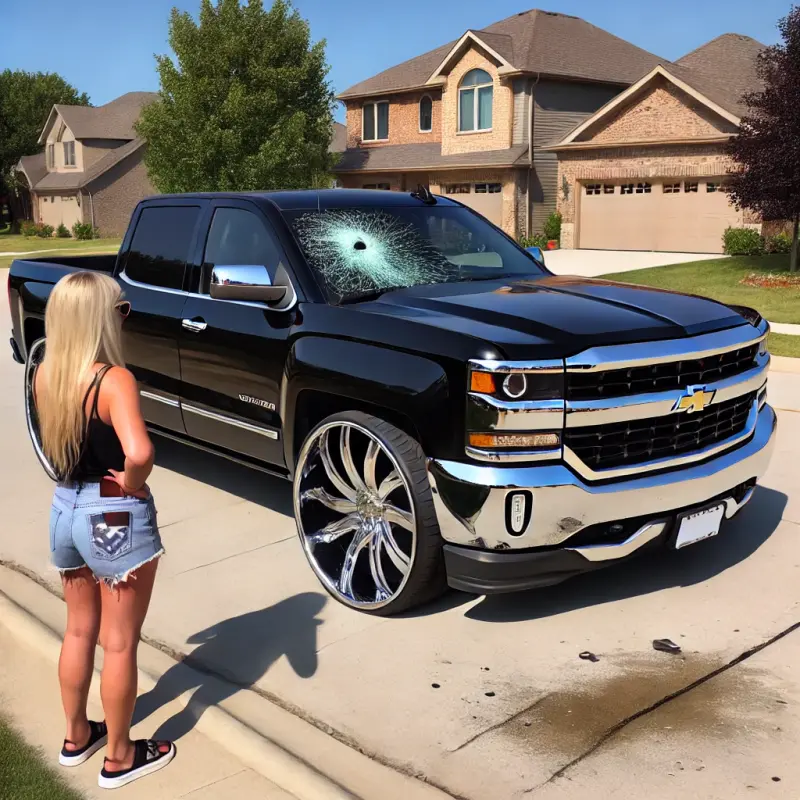
Side and rear windows are different. Those panels are almost always tempered glass, engineered to shatter into pebble-sized pieces on impact. That design reduces laceration risk and allows quick access for first responders. It also means a small chip in a door glass doesn’t slowly spread the way a windshield chip does. Door glass defects tend to become an all-or-nothing break after a sharp impact.
Understanding which glass is which helps you weigh options for vehicle glass repair in Columbia. A small blemish on the windshield can often be stabilized. A similar blemish on a driver’s door is usually a replacement job waiting to happen.
How damage starts and why it spreads
A windshield chip is almost always a stone strike. What matters next is the shape and location. Bull’s-eyes, stars, and combination breaks each behave a little differently. A technician will look at the diameter of the damage, whether there is a central pit, how many legs radiate outward, and how close the damage sits to the edge. A chip within a couple inches of the windshield perimeter is more likely to run because the glass flexes more there as the body twists over rough roads.
Temperature swing makes small chips become long cracks. Think of leaving your car in the sun at Saluda Shoals, then turning the A/C to max cold as you get onto Harbison. That rapid change stresses the glass. Potholes, speed bumps, and door slams accelerate the same process. I have watched a star break sit quietly through a week of city commuting, then grow four inches during one overnight cold front in early spring.
Early intervention is the simplest way to avoid windshield replacement. If you can cover a fresh chip with a piece of clear packing tape and keep moisture out until you reach a shop, the odds of a successful windshield chip repair go up. Dirt and water in the break reduce resin adhesion. Even a high-end injector cannot bond where contamination has filled the void.
Repair versus replacement, in plain terms
Windshield repair in Columbia makes sense when the chip is small, clean, and not in a critical sightline. Most shops use thresholds like quarter-sized for bull’s-eyes and about an inch for star breaks. A crack under six inches is sometimes repairable if it is not branching. No ethical shop should promise a repair for something in the driver’s primary viewing area directly above the steering wheel, even if the geometry fits. Repair can leave a faint blemish, and South Carolina inspection standards require an unobstructed view.
When damage is severe, or when the crack crosses the edge, windshield replacement in Columbia becomes the safer choice. Replacement implies removing the cowling, cutting out the old urethane bond, prepping the pinch weld, and setting a new windshield with fresh urethane. The materials matter here. OEM and high-quality OEE glass differ in tint, acoustic interlayers, HUD compatibility, and frit band width. On some vehicles a non‑OEM option is fine. On others, a poor acoustic layer will raise cabin noise by a few decibels at highway speeds, or a slightly different curvature can cause a distortion that annoys you every mile.
For those driving vehicles with advanced driver-assistance systems, the choice triggers a second step. Cameras and sensors behind the glass read lane markings and traffic ahead. When you replace the windshield, those systems need calibration. An auto glass shop in Columbia that handles ADAS will either perform an in‑house static calibration using manufacturer targets or complete a dynamic calibration on the road with a scan tool while following specific speed and distance requirements. Skipping this step can leave lane-keep and forward collision warnings misaligned.
Practical differences for side and rear glass
With door glass, liftgate glass, and quarter panels, the calculus is simpler. A chip becomes a shatter at the next impact because tempered glass is designed to release its stored energy all at once. Car window repair in Columbia often means replacing a panel that has already broken and cleaning the door cavity where chunks accumulated. Window regulators, weatherstrips, and painted door edges can be damaged by falling glass. A good tech will vacuum out the channel and inspect the regulator cables or scissor arms so you do not hear rattles for months.
Rear windows add a heating grid. If the panel is shattered, the wiring for defrost can get bent or torn. The technician should test defrost continuity after installation. In winter or during foggy mornings on Lake Murray, that grid makes a real difference in visibility.
What mobile auto glass service can and cannot do
Mobile auto glass in Columbia is not a gimmick. It is a practical option for routine work when conditions are right. A mobile van carries glass racks, adhesives, and calibration gear if the shop is set up for it. That saves you a trip and makes same‑day scheduling easier if your windshield cracks on a weekday morning.
Weather is the limiting factor. Urethane cures by reacting with moisture. In midsummer, when humidity sits near 70 to 90 percent, tack-free times drop, and safe drive-away can be reached in roughly one to two hours depending on product and bead size. In cold, dry conditions, curing slows. Many adhesives have temperature floors around 40 to 50 degrees Fahrenheit. Some mobile work gets rescheduled during cold snaps or heavy rain. Covered garages and parking decks fix most weather issues, but wind and airborne dust can still contaminate the bond.
Calibration is the other consideration. Dynamic calibrations can be done on the road once the new glass is in. Static calibrations need level floors, controlled lighting, and targets set at precise distances. A shop bay will always be better for that. If your vehicle uses surround-view cameras or infrared night vision, ask where the calibration will be completed before you book mobile service.
How to vet an auto glass shop in Columbia
Shops look similar from the outside. The differences show up in materials, training, and how they handle the details. You want a shop that treats your car as a system, not just a piece of glass.
- Ask about the adhesive brand, cure time, and safe drive-away interval for your specific vehicle, not a generic number. Confirm whether ADAS calibration is included when needed, and how they document success. Clarify the glass source, OEM or OEE, and whether features such as acoustic layers, HUD, and rain-sensing brackets match your build. Listen for process details: pinch weld prep, primer use, and rust treatment if the old urethane pulled paint. Expect a straightforward warranty. Read it. Peeling moldings and leaks usually show up within weeks.
That list may feel picky. It is how you filter for competence. The best auto glass services in Columbia will answer these quickly and without sales fluff.
Insurance, cash pricing, and South Carolina specifics
South Carolina has a favorable rule for comprehensive coverage. Many policies cover windshield repair or replacement without a deductible. That makes it tempting to default to replacement at the first sign of damage. Repair is still worth considering if the chip qualifies. It keeps the original seal, avoids calibration cost and time, and usually takes less than 30 minutes. Most insurers prefer repair when safe, and they pay shops a set rate for it.
If you do not carry comprehensive, cash pricing varies based on vehicle, features, and glass availability. A basic windshield for a mid-2000s sedan with no sensors might run in the low hundreds. A newer SUV with acoustic glass, a heated wiper park area, a humidity sensor, and camera brackets can sit in the high hundreds or more. Rear glass with an embedded antenna or roofline spoilers adds labor. When you call an auto glass shop in Columbia for a quote, have your VIN ready. It lets the shop pull the correct options so the number they give you matches the glass you actually need.
The only insurance pitfall I see regularly involves calibration. Some carriers treat it as part of the glass claim, others route it through a separate supplement. Good shops know the drill with major carriers and will bill it properly. If a shop tells you to skip calibration to save cost, find another shop.
Safety standards and the set you cannot see
Most of the craftsmanship in auto glass replacement happens where you cannot watch. The urethane bead height, the glass stand-off during set, and the squeeze-out are quality indicators. Too thin a bead reduces adhesive strength. Uneven bead height makes the glass sit high on one side and low on the other, which can stress the panel and create wind noise. Proper primers on both the glass frit and the vehicle’s pinch weld protect against corrosion, especially on older cars where a previous replacement scraped paint. In Columbia’s climate, water intrusion can lead to moldy carpets and electrical gremlins under seats within weeks.
I tell customers to look for three simple cues after a replacement. The cowl should reinstall flush without gaps. The black frit band around the perimeter should look even, not wavy. The wipers should track the same arc as before without chatter. If those look right, the hidden pieces are usually in good shape.
The small things that make repair work
Windshield chip repair uses vacuum and pressure cycles to draw resin into the crack. Fluency matters. A tech who knows how to angle the bridge and manage cure times will recover chips that others might call unrepairable. I have saved a star break with three long legs inches below the mirror mount because the damage was clean and away from the edge. On the other hand, I have declined repairs on dime-sized chips sitting inside the driver’s immediate line of sight. You can get a structurally sound repair that still leaves a halo or a sparkle that catches your eye in morning sun on Two Notch Road. That trade is not worth it if you drive before sunrise or late at night where glare matters.
After a repair, the goal is structural restoration, not invisibility. Expect the blemish to fade by roughly 70 to 90 percent visually. If a shop promises a repair you cannot see, they are setting an expectation they cannot meet consistently.
Timing, scheduling, and realistic downtime
A chip repair can be in and out in under an hour, often closer to 30 minutes if the paperwork is simple. A straightforward windshield replacement without ADAS runs around two hours, plus a safe drive-away window that varies by adhesive. Add calibration and you can spend another hour to ninety minutes at the shop. That is why mobile auto glass in Columbia has become popular with companies whose vehicles sit idle mid-morning. The tech can do two trucks in a row while the crews stock up between jobs.
Do not rush drive-away times. The numbers are not marketing. They tie to how the adhesive reaches enough green strength to survive an airbag deployment or a door slam across railroad tracks on Rosewood. If you leave early, you take a small but real risk that the glass could shift or the seal could compromise.
When a second opinion pays off
There are two moments where a second look is worth the extra call. First, when you are told a chip cannot be repaired and must be replaced, but the damage looks small and central. Bring it to another shop that does a lot of repairs, not just replacements. Second, when a shop quotes you a very low price for a complicated windshield on a camera-equipped vehicle. That bargain often hides missing glass options or a plan to reuse a rain sensor gel pad that should be replaced. Saving fifty dollars and ending up with ghosting on a heads-up display is not a win.
Seasonality and local quirks
Columbia’s climate creates its own rhythm of glass issues. Spring pollen is not your enemy, but the cleaning that follows can be. Harsh scrubbing with a dry towel over grit can create micro-scratches that fog the glass into the sun. Use water and a clean microfiber. Late summer thunderstorms drop branches and scatter gravel. After those storms, we see spikes in both cracked windshield Columbia calls and door glass replacements where a limb took out a side window.
Road work matters too. If you drive the same route past resurfacing projects, leave more space behind dump trucks. Tire sprays of pea gravel are predictable. A two-second gap reduces the strike rate dramatically.
OEM versus OEE, decoded
Customers ask about OEM for two reasons: fit and optics. OEM glass is made by or for the vehicle manufacturer to the original spec. OEE, original equipment equivalent, means a part made to the same specification by another manufacturer. In practice, many OEM panels are stamped by the same companies that make OEE panels. The difference can show up in the extras. Acoustic interlayers, solar absorption tints, heads-up display reflectivity, and exact camera bracket placement must match. High-quality OEE will match those. Low-quality pieces may miss one. An experienced shop will mark the build code on your original glass, compare to the catalog, and select accordingly. There are cases where OEM is the safer bet, like uncommon windshields with complex HUD or infrared coatings. On common models, quality OEE often performs identically at a lower price.
What to expect on the day of service
A smooth appointment follows a predictable arc. You check in, the tech confirms options against the VIN, and you review the work order. For a repair, they clean the pit, drill a tiny opening if needed to vent air, mount the injector, cycle resin and vacuum, cure with UV, then scrape excess and polish. For a replacement, they protect the dash and fenders, remove wipers and trim, cut the urethane with cold knives or wire, stand the old glass out, prep and prime bonding surfaces, and set the new glass with suction cups or a mechanical setting tool. After set, they reassemble trim and cowl, install new clips where needed, and clean the glass. If calibration is required, they run the procedure, clear codes, and provide a printout if their system supports it.
You will be told a safe drive-away time. Respect it. You might also be given gentle care guidelines like leaving a window cracked a sliver to reduce pressure changes, avoiding touchless washes for 24 to 48 hours, and skipping slamming doors during that period. These are cautionary, not because the glass is fragile, but because adhesives harden over a curve rather than an instant.
A short, real example
One weekday morning, a customer in Northeast Columbia called with a thumb-sized combination break just below the tint band on a late-model Accord. She had a work meeting in two hours and wanted to avoid a full replacement. The chip was clean and two inches from the edge, which is borderline. We taped it on arrival, explained odds of repair versus replacement, and proceeded with a cautious injection. Two pressure cycles later, the legs filled, and the center took resin. The final result left a faint ghost at certain angles, but structurally it was sound. Six months later she called for a rear glass replacement after a break-in at a trailhead. The contrast between those jobs was windshield crack repair columbia telling. The repair bought her time, saved calibration hassles, and kept the OEM seal. The rear glass was routine, but the cleaning and regulator inspection mattered more than the glass itself.
Matching service type to your situation
There is no universal answer that fits every driver and every vehicle. Patterns emerge, and they guide decisions without locking you in.
- A fresh stone chip away from the edge on a windshield usually benefits from same‑day windshield chip repair in Columbia, especially before a heat wave or cold front. A long crack, edge damage, or anything in your primary sightline points to windshield replacement Columbia drivers can trust, with ADAS calibration if your vehicle needs it. Shattered door or rear glass is a replacement job. A well-run vehicle glass repair Columbia team will also inspect regulators and defrost circuits. If your week is packed, mobile auto glass Columbia service makes sense for straightforward repairs or replacements without complex calibrations, weather permitting. When you value a perfect optical match for HUD and acoustic comfort, especially on premium models, OEM glass is worth considering. On mainstream models, high-grade OEE often delivers the same experience.
Final thoughts from the bay
Every seasoned tech accumulates habits that look fussy from the outside. Wiping primer lids, measuring bead height, refusing to reuse a deformed molding that will never sit right, insisting on calibration even when the dash shows no warning lights. Those choices come from seeing what happens months later. A leak that wicks into a harness, a camera that sits two degrees off and nudges you toward a lane marker, a driver who develops a headache from a subtle optical distortion on long drives to Charleston.
If you treat your windshield as part of the safety system, not just a window, your decisions get easier. Choose an auto glass shop Columbia drivers recommend for process, not price alone. Ask a few pointed questions. Let the weather call the shots on mobile scheduling. Repair chips early. Replace when structure or sightline demands it. And when in doubt, get a second set of eyes on the damage before you commit.
Columbia’s roads will keep throwing pebbles, storms will keep dropping limbs, and construction zones will keep feeding gravel to tires. The difference between an annoyance and a problem is how quickly you match the right service to the situation. With a clear understanding of your options for auto glass replacement Columbia wide and the realities of windshield repair Columbia drivers face, you can get back on the road with a clean view and a sound cabin.